

Japan
Where ancient traditions, extraordinary cuisine, futuristic cities and breathtaking landscapes come together in one unforgettable journey.
A Journey Between Tradition and Tomorrow
Japan rewards curious travelers with remarkable contrasts: centuries-old temples beside neon cityscapes, serene gardens beside energetic neighborhoods, and deeply rooted traditions alongside some of the world's most advanced technology.
One Country, Countless Ways to Experience It
Japan's geography stretches from snowy Hokkaido to subtropical Okinawa, creating remarkable regional variety. Around 70% of the country is mountainous and forested, while its cities offer an entirely different kind of energy.
Travelers can move from Tokyo's modern neighborhoods to Kyoto's historic temples, explore Osaka's food culture, admire Mount Fuji, soak in an onsen, stay at a traditional ryokan, or venture into Japan's national parks and rural communities.
Every season brings a different experience, making Japan a destination that can be revisited repeatedly without feeling the same twice.

Culture That Lives in Everyday Details
From tea ceremonies and gardens to trains, neighborhood restaurants and seasonal festivals, Japan's culture is experienced as much in everyday moments as at its famous landmarks.
Top Things to Do in Japan
Build your journey around a combination of iconic sights and memorable local experiences.

Explore Tokyo
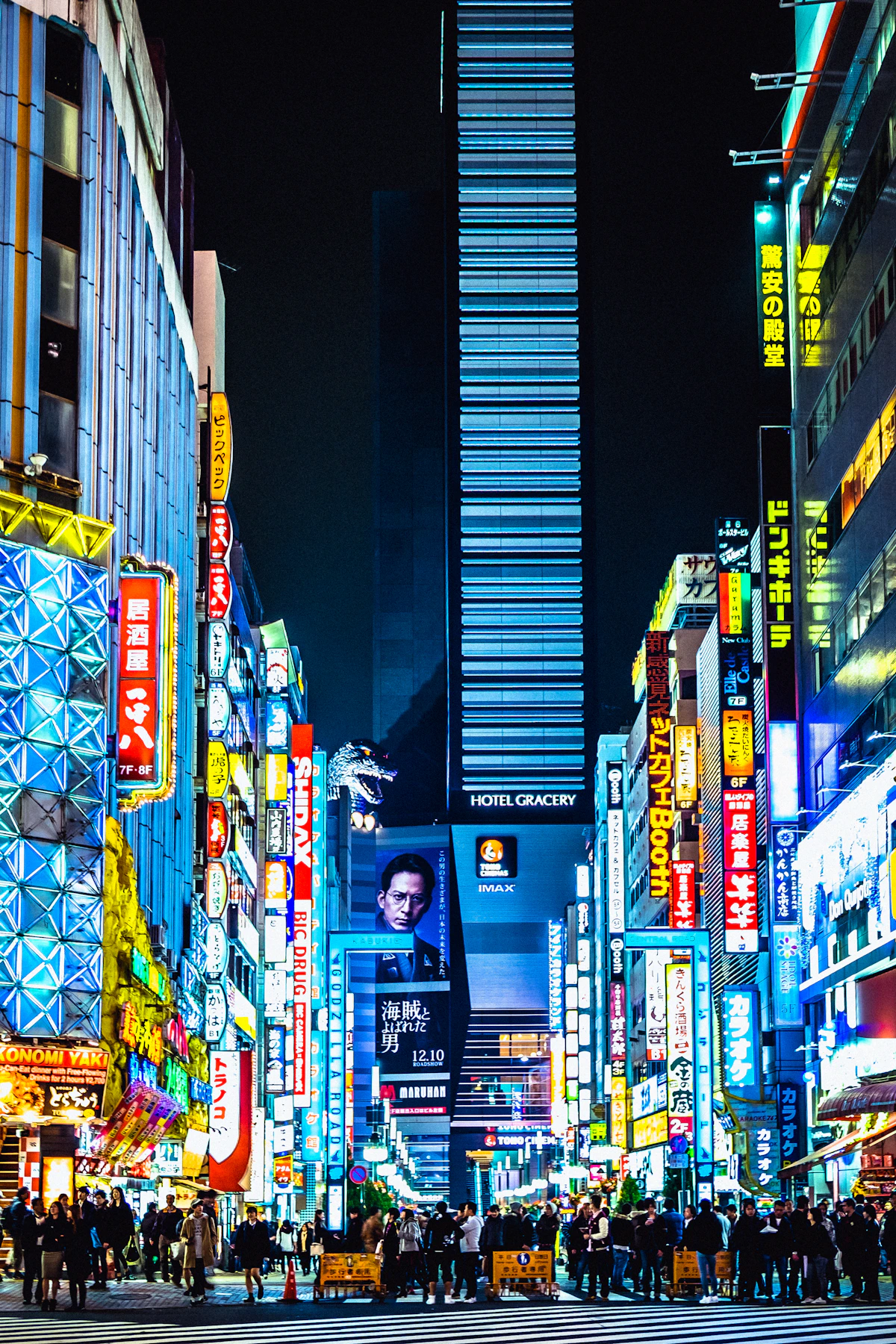
Move between the neon energy of Shibuya and Shinjuku, traditional Asakusa, fashionable Harajuku and the technology and anime culture of Akihabara.

Discover Kyoto
Explore temples, shrines, gardens, traditional neighborhoods and the historic atmosphere that makes Kyoto one of Japan's essential stops.

See Mount Fuji
Take in Japan's iconic mountain from viewpoints around the Fuji Five Lakes, Hakone or other scenic areas depending on your itinerary.

Visit Historic Temples & Shrines
Experience Japan's spiritual heritage through Buddhist temples, Shinto shrines, gardens and historic districts.

Eat Your Way Across Japan
Try sushi, ramen, tempura, yakitori, okonomiyaki, regional specialties and the extraordinary range of Japanese dining experiences.

Stay in a Ryokan
For a deeper cultural experience, consider a traditional Japanese inn, often paired with tatami rooms, local cuisine and access to an onsen.

Experience an Onsen
Slow down with a traditional hot-spring experience, particularly in regions known for their natural springs and mountain scenery.

Explore Japan Outdoors
Hike mountain trails, visit national parks, ski in Hokkaido or the Japanese Alps, explore coastlines and discover rural landscapes.
Japan's Essential Destinations

Tokyo
Japan's dynamic capital, blending skyscrapers, shopping, food, technology, traditional neighborhoods and world-class culture.
Kyoto
Historic temples, gardens, traditional architecture, tea culture and some of Japan's most atmospheric neighborhoods.

Osaka
A lively city celebrated for food, entertainment, shopping and easy access to the wider Kansai region.

Mount Fuji & Hakone
Mountain scenery, hot springs, lake views and one of Japan's most recognizable landscapes.
Nara
Historic temples, gardens and the famous free-roaming deer make Nara a natural addition to a Kansai itinerary.
Hokkaido & Okinawa
Choose between northern mountains, skiing and wilderness or southern islands, beaches and subtropical scenery.
Japan Weather & Seasons
Japan's climate varies considerably from north to south. The figures below are broad planning estimates and can differ by region, elevation and year.
| Month | Typical Conditions | Planning Notes |
|---|---|---|
| January | Cold; snow in northern and mountain areas | Excellent for skiing; quieter city travel |
| February | Cold; snowy in many northern areas | Winter sports and hot springs |
| March | Cool to mild; spring begins in the south | Cherry blossoms begin later in the month in some regions |
| April | Mild and generally comfortable | Cherry blossom season varies by location |
| May | Mild to warm | Excellent sightseeing conditions; Golden Week can be busy |
| June | Warm and increasingly humid | Rainy season begins in many regions |
| July | Hot and humid | Festivals, beaches and mountain escapes |
| August | Hot, humid and sunny in many areas | Peak summer travel and festivals |
| September | Warm; humidity gradually decreases | Typhoon risk can affect some areas |
| October | Comfortable autumn weather | Excellent for sightseeing and outdoor activities |
| November | Cool and increasingly crisp | Autumn foliage is a major attraction |
| December | Cold; snow in northern/mountain areas | Winter scenery, skiing and holiday illuminations |
Choose Your Season
Spring & Major Holidays
Cherry blossom season attracts travelers nationwide, while Golden Week in late April and early May can bring significant domestic travel and crowded attractions.
Autumn & Late Spring
Comfortable temperatures and beautiful scenery make much of October, November and late spring appealing for touring.
Specialized Experiences
Winter is ideal for skiing, snow scenery and onsens. Summer brings festivals, fireworks, mountain escapes and beach opportunities, although heat and humidity can be significant.
Visa & Entry Requirements
All foreign visitors need a valid passport. Japan maintains visa-exemption arrangements with a number of countries and regions for qualifying short-term tourism visits.
Entry requirements depend on nationality, passport type, purpose and length of stay. Travelers should verify their individual requirements with the Japanese Ministry of Foreign Affairs or the Japanese embassy/consulate responsible for their residence before departure.
- Passport: A valid passport is required for foreign visitors.
- Currency: Japanese yen (¥).
- Language: Japanese; English is generally understood in major cities and tourist areas.
- Time: Japan Standard Time; Japan does not observe daylight saving time.
- Electricity: Japan uses Type A and Type B-style plugs, with Type A common.
- Tipping: Tipping is generally not practiced in Japan.
- Connectivity: Wi-Fi, SIM and eSIM options are widely available.
Safety & Health
Japan is a well-developed destination with extensive transportation and tourism infrastructure. Travelers should still use normal precautions, protect valuables, follow local instructions and remain aware of weather and natural-hazard information.
Earthquakes, typhoons, heavy rain, heat and winter conditions can affect different regions at different times. Check local forecasts and official alerts during your trip.
For health preparation, consider routine vaccinations, travel insurance, medications and any destination-specific recommendations relevant to your itinerary.
- Police: 110
- Fire / Ambulance: 119
- JNTO Visitor Hotline: 24/7 visitor assistance is available.
- Natural Disasters: Follow official local instructions and alerts.
- Travel Insurance: Recommended for international trips.
What Does a Japan Trip Cost?
Your daily budget can vary significantly depending on accommodation, dining, transportation and the number of premium experiences included.
Independent Explorer
Hostels or simple accommodations, casual meals, public transportation and carefully selected paid attractions.
Comfortable Japan
Comfortable hotels, restaurant dining, rail travel and a mix of paid attractions and experiences.
Elevated Journey
Luxury hotels or ryokan, premium dining, private experiences, upgraded transportation and exclusive excursions.
Budget figures are approximate planning ranges and can vary substantially by city, season, accommodation and exchange rates.
Arriving in Japan
International travelers commonly arrive through Tokyo's Haneda or Narita airports, Osaka's Kansai International Airport or other major international gateways such as Fukuoka.
Japan's major airports connect efficiently with metropolitan areas through trains, buses, monorails and other ground transportation.
Travel by Rail
Japan's rail network makes multi-city travel particularly convenient. Shinkansen bullet trains connect major cities while local and regional rail networks serve urban and rural areas.
IC travel cards are useful for many local journeys. Taxis, buses, ferries, rental cars and domestic flights can complement rail travel depending on the itinerary.
Food & Drink
Japanese cuisine is one of the country's greatest reasons to travel. Regional specialties vary dramatically, making food a central part of exploring Japan.
- Sushi & Sashimi: Explore everything from casual conveyor-belt restaurants to refined omakase.
- Ramen: Try regional styles in Tokyo, Fukuoka, Sapporo and beyond.
- Okonomiyaki: Particularly associated with Osaka and Hiroshima.
- Yakitori: Grilled chicken skewers paired with an izakaya experience.
- Tempura: Lightly battered seafood and vegetables.
- Wagyu: Premium Japanese beef, including famous regional varieties.
- Matcha: Especially associated with Kyoto and traditional tea culture.

Follow the Regional Flavors
Don't limit Japanese food to sushi. Each region has its own ingredients, cooking styles and specialties worth discovering.
Japanese Etiquette
- Be considerate: Quiet, respectful behavior is valued, especially on public transportation.
- Shoes: Remove shoes where requested, particularly in homes, traditional inns and some temples/restaurants.
- Tipping: Generally not expected.
- Queues: Follow orderly lines at stations, attractions and restaurants.
- Dining: Learn basic chopstick etiquette and avoid placing chopsticks upright in rice.
- Photography: Respect signs, private spaces and restrictions around religious or cultural sites.
What to Bring Home
Japan offers everything from traditional crafts and ceramics to stationery, fashion, beauty products, tea, confectionery and regional souvenirs.
Explore department stores, specialty shops, markets and neighborhood shopping streets. Visitors may also qualify for tax-free shopping on eligible purchases under current rules.
Japan for Every Kind of Traveler
Easy to Explore
Japan offers efficient transportation, fascinating cultural experiences, theme parks, aquariums, interactive museums and activities for different ages.
Romance & Discovery
Enjoy ryokan stays, private dining, scenic rail journeys, hot springs, gardens, mountain views and intimate neighborhoods.
Exceptional Service
Luxury travelers can combine five-star hotels, refined ryokan, private guides, premium dining, wellness and customized experiences.
Japan Beyond the Cities
Japan's mountainous geography creates opportunities for hiking, skiing, cycling, diving, wildlife encounters and outdoor exploration.
Consider Hokkaido for winter sports and wilderness, the Japanese Alps for mountain adventures, Okinawa for beaches and marine activities, or national parks throughout the country for hiking and nature.
A More Refined Japan
Luxury travel in Japan can be highly personalized. Consider private cultural tours, exceptional ryokan, kaiseki dining, private transfers, luxury rail experiences, wellness retreats and carefully curated guides.
For a memorable journey, combine major cities with quieter destinations where hospitality and traditional experiences take center stage.
Exploring Japan by Cruise
Japan is increasingly featured on cruise itineraries throughout Asia, offering travelers the opportunity to experience several Japanese destinations within one journey.
Kyoto / Osaka
Explore Kansai's temples, food, culture and historic sites from regional cruise ports.
Tokyo
Combine a cruise with time in one of Asia's most energetic cities before or after sailing.

Scenic Japan
Depending on the itinerary, cruise travelers may experience coastal scenery and access to historic cities.
Cruise itineraries and ports vary by sailing and season. Shore excursions can be booked through cruise lines or independent excursion providers, depending on the experience desired.
A Classic 7-Day Japan Itinerary
A first visit can combine Tokyo and Kyoto with a stop in the Kansai region. Extend the trip for Osaka, Hakone, Hiroshima or additional regional exploration.
Arrive in Tokyo
Settle into your hotel, explore your neighborhood and enjoy a relaxed first Japanese dinner.
Modern Tokyo
Explore Shibuya, Harajuku and Meiji Shrine before experiencing Tokyo's evening dining scene.
Historic Tokyo
Visit Asakusa and Senso-ji, explore Ueno or Akihabara, then enjoy an izakaya or refined dinner.
Bullet Train to Kyoto
Travel by Shinkansen and spend the afternoon exploring Gion, Higashiyama or a traditional tea experience.
Kyoto Temples & Gardens
Visit selected temples and gardens, allowing enough time to enjoy the atmosphere rather than rushing between sites.
Nara or Osaka
Choose Nara for historic temples and gardens or Osaka for food, shopping and entertainment.
Final Discoveries
Enjoy a relaxed final morning, pick up souvenirs and depart from Osaka or return to Tokyo depending on your flights.
Choosing Your Base
Stay Near Your Priorities
Shinjuku and Shibuya are energetic and well connected. Ginza offers upscale shopping and dining, while Asakusa provides a more traditional atmosphere.
Traditional or Central
Choose between convenient central locations and quieter areas near temples and traditional neighborhoods. A ryokan can add a memorable cultural experience.
Food & Entertainment
Namba and Dotonbori are convenient for food and nightlife, while Umeda offers excellent transportation connections and a modern city atmosphere.
Japan Packing Guide
Practical Japan Travel Tips
1. Get an IC Card
A rechargeable IC travel card can make many local train, subway and bus journeys much easier.
2. Pack Light
Hotels and stations can involve stairs, platforms and crowded trains. Consider luggage delivery for longer journeys.
3. Reserve Popular Experiences
Popular restaurants, attractions and seasonal experiences may require advance reservations.
4. Learn Basic Etiquette
A few simple customs—quiet trains, orderly queues and shoe removal—make travel smoother.
5. Allow Travel Time
Japan's transportation is efficient, but major stations can be large and complex. Build in transfer time.
6. Don't Overpack Your Schedule
Japan is more enjoyable when you leave room for wandering, meals, shopping and unexpected discoveries.
Japan Travel FAQs
Let's Plan Your Journey.
From Tokyo city lights to Kyoto temples, scenic rail journeys and unforgettable culinary experiences, Crown Compass Travel can help turn your Japan travel ideas into a personalized itinerary.
Start Planning